


Steerable Devices
Development of complex therapeutic devices, catheter-based systems, and minimally invasive devices combines engineering oversight, manufacturing expertise, and Quality Management Systems to support reliable design transfer into production. Through an engineering-led development approach, we help clients establish scalable manufacturing processes while preparing devices for long-term commercial success.
Overview
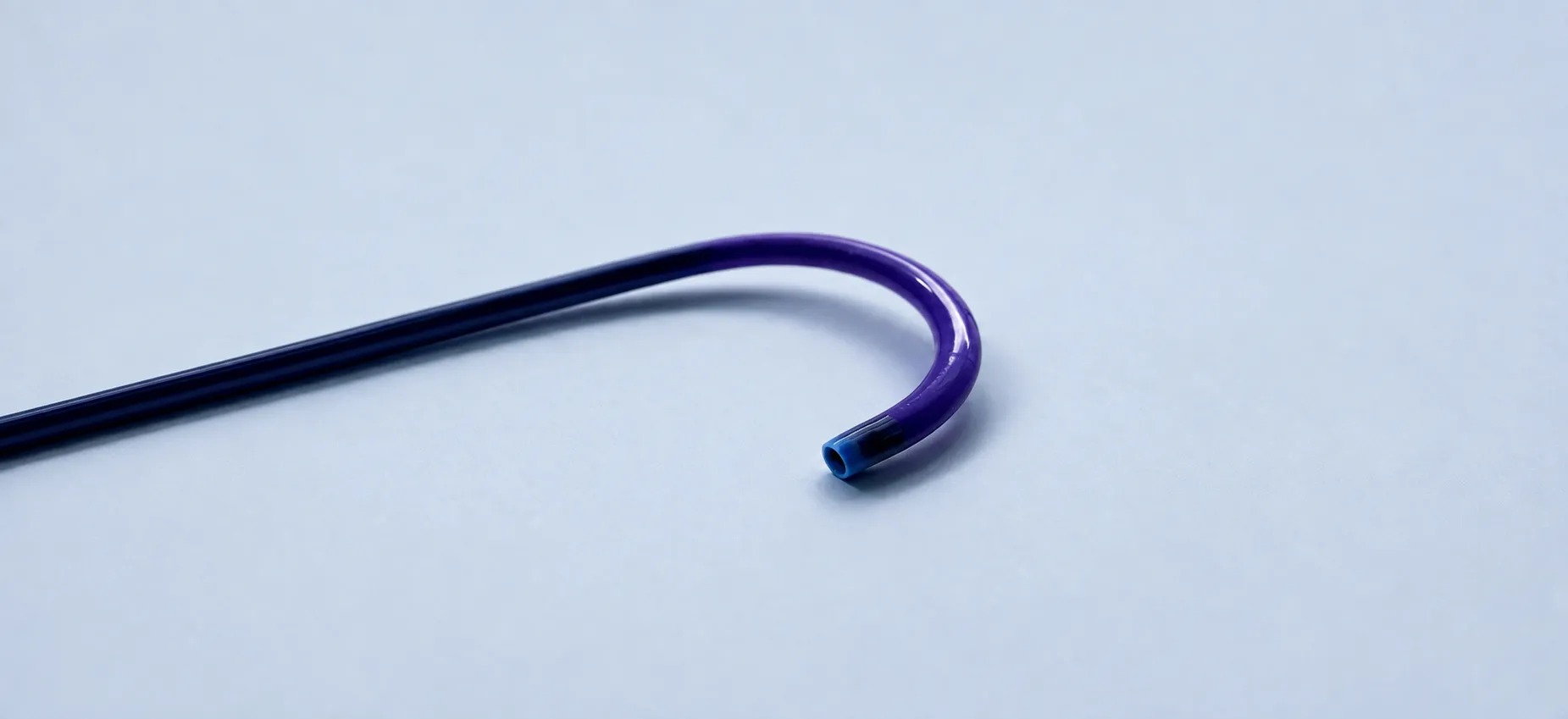
Meddux approaches steerable device engineering and articulating catheter development as a system-level challenge. Deflection, bend radius, shaft stiffness, friction, and distal response are considered together to achieve predictable navigation and control. This integrated approach extends to steerable sheath development as well, where consistent deflection must be maintained alongside pushability and torque response as devices navigate complex anatomy.
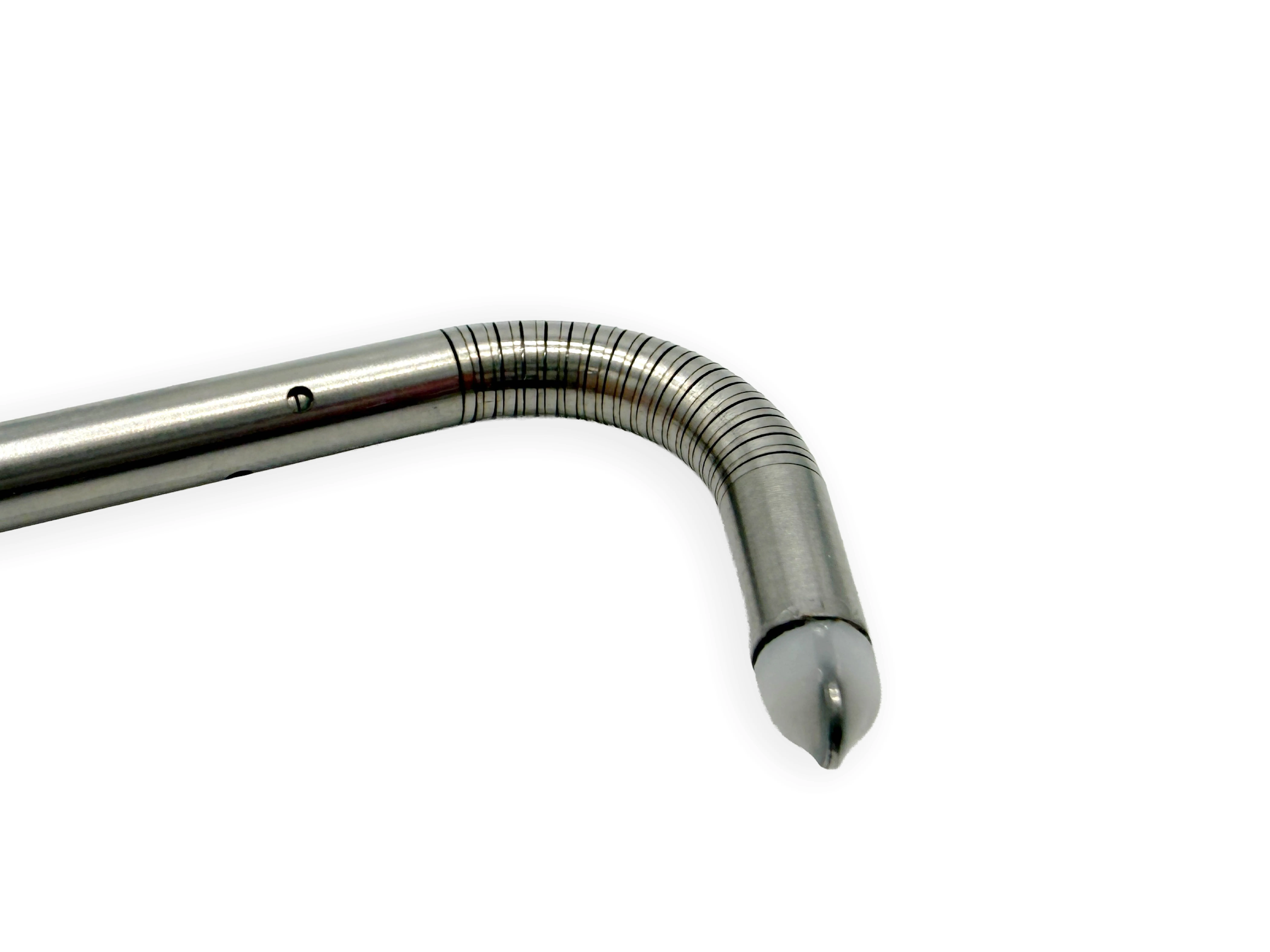
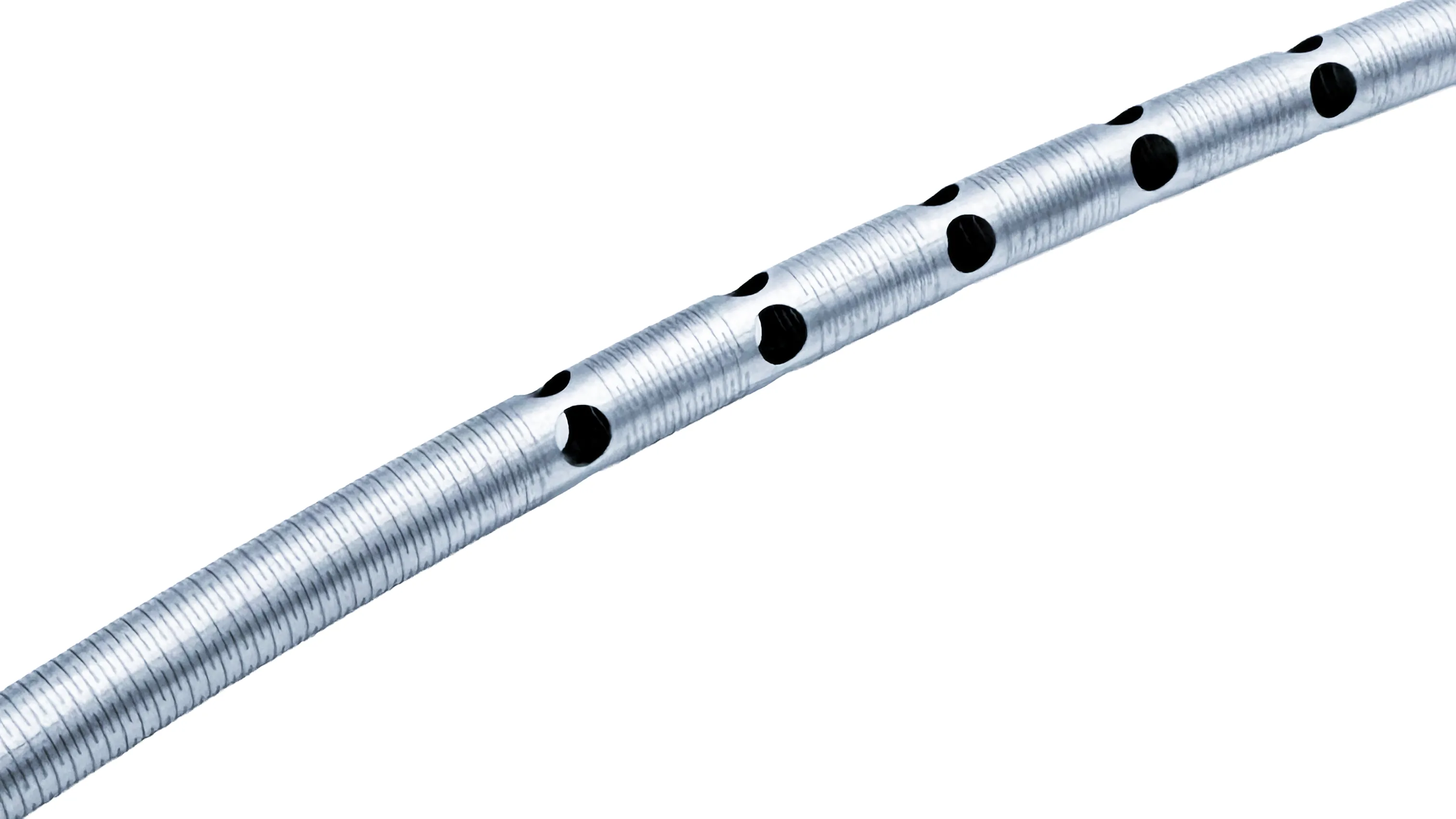
Because Meddux develops key shaft components and assemblies in-house, engineers can tune the complete platform rather than optimizing individual components in isolation. Laser-cut hypotubes can be engineered for controlled flexibility and torque transmission, while catheter braiding provides reinforcement and targeted shaft performance. This integrated manufacturing and engineering capability helps maintain control throughout the device, from the handle to the distal tip.
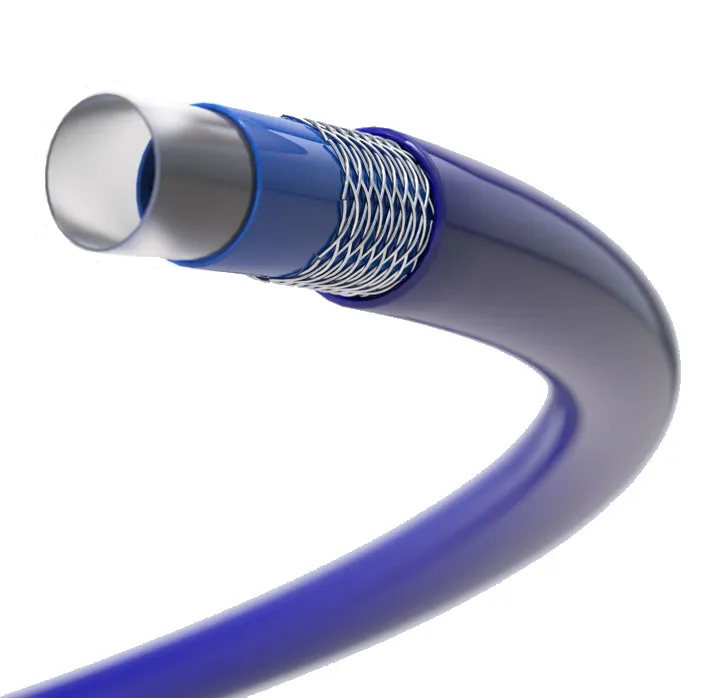
The performance of a steerable catheter depends on how the hypotube, braid pattern, pull wires, lamination, and handle interact, with each element contributing to how force is transferred from the operator to the distal tip.
— Advantages
Steerable Devices
Advantages
01
Deflection & Articulation Design
Unidirectional and bidirectional deflection can be engineered around the intended anatomy and procedure, supporting both deflectable catheter design and broader articulating device engineering needs. Controlled bend radii and predictable tip response help translate movement at the handle into precise distal positioning.
02
Pull-Wire & Actuation Systems
Pull-wire catheter design incorporates wire selection, distal anchors, and friction management across the full shaft length. These elements are engineered together to support consistent actuation and reduce losses between the handle and distal tip.
03
Integrated Shaft Engineering
Hypotube, braid, and lamination are tuned as a complete shaft rather than as separate components, supporting applications from steerable catheters to steerable sheath development. This helps maintain consistent mechanical response and control across the full length of the device.
— resources
Featured Content


— Connect
Designing a Steerable Platform?
Steerability comes from the whole shaft working together, hypotube, braid, pull-wire systems, and lamination, tuned together from handle to distal tip. Meddux develops key shaft components and assemblies in-house, engineers can tune the complete platform rather than optimizing individual components in isolation.
Connect with our team to discuss how we can support your next medical device program, from user-centered design through commercial manufacturing.
.svg)

Capabilities

Markets
Our Approach
About Us
Resources
© 2026 All rights reserved
made by
.png)