


User-Centered Design
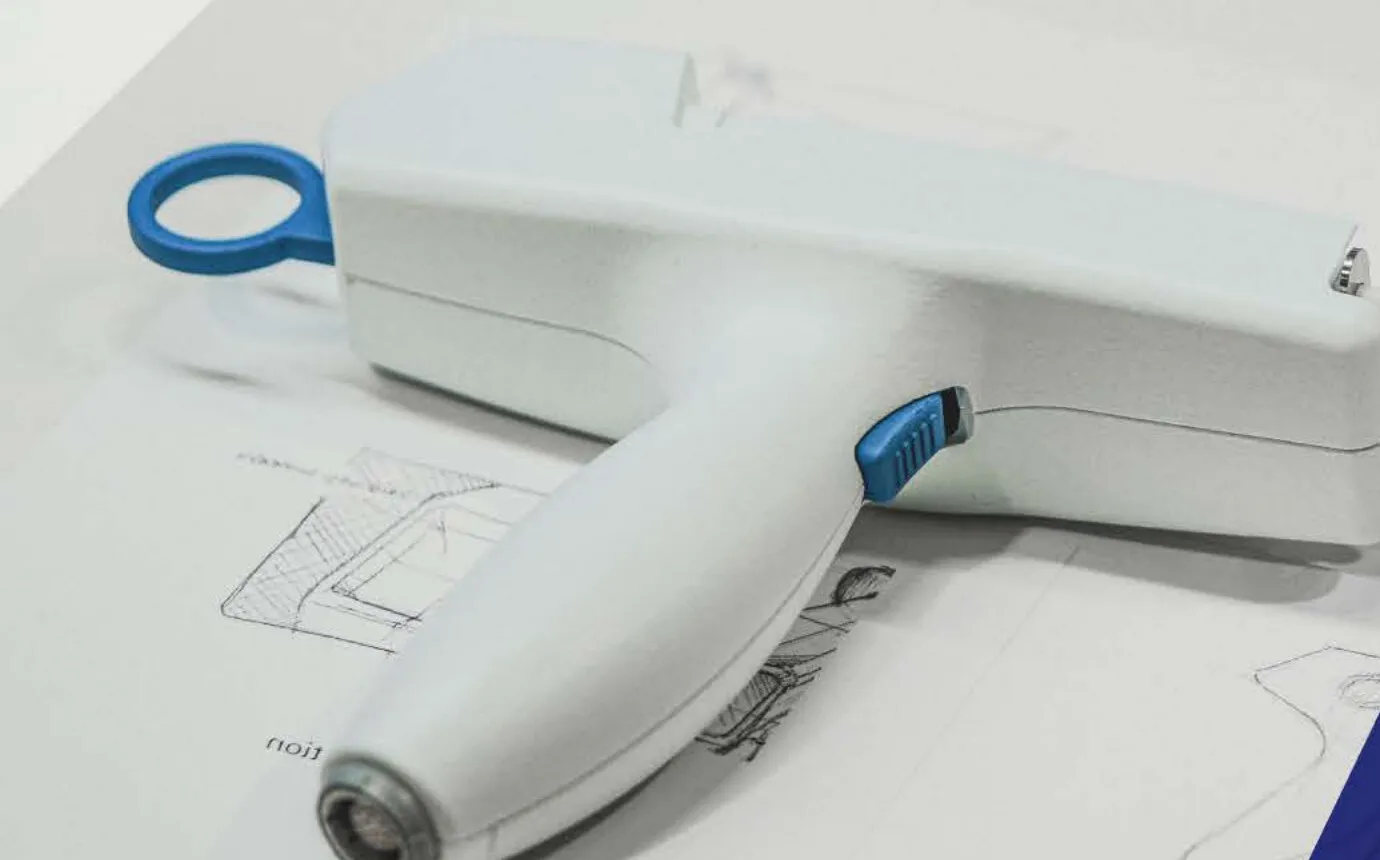
User-centered design is integrated into every stage of Meddux's product development process to create devices that are safe, intuitive, and aligned with real clinical workflows. By combining human factors engineering principles with practical engineering expertise, we help reduce use-related risks while supporting regulatory readiness.
Overview
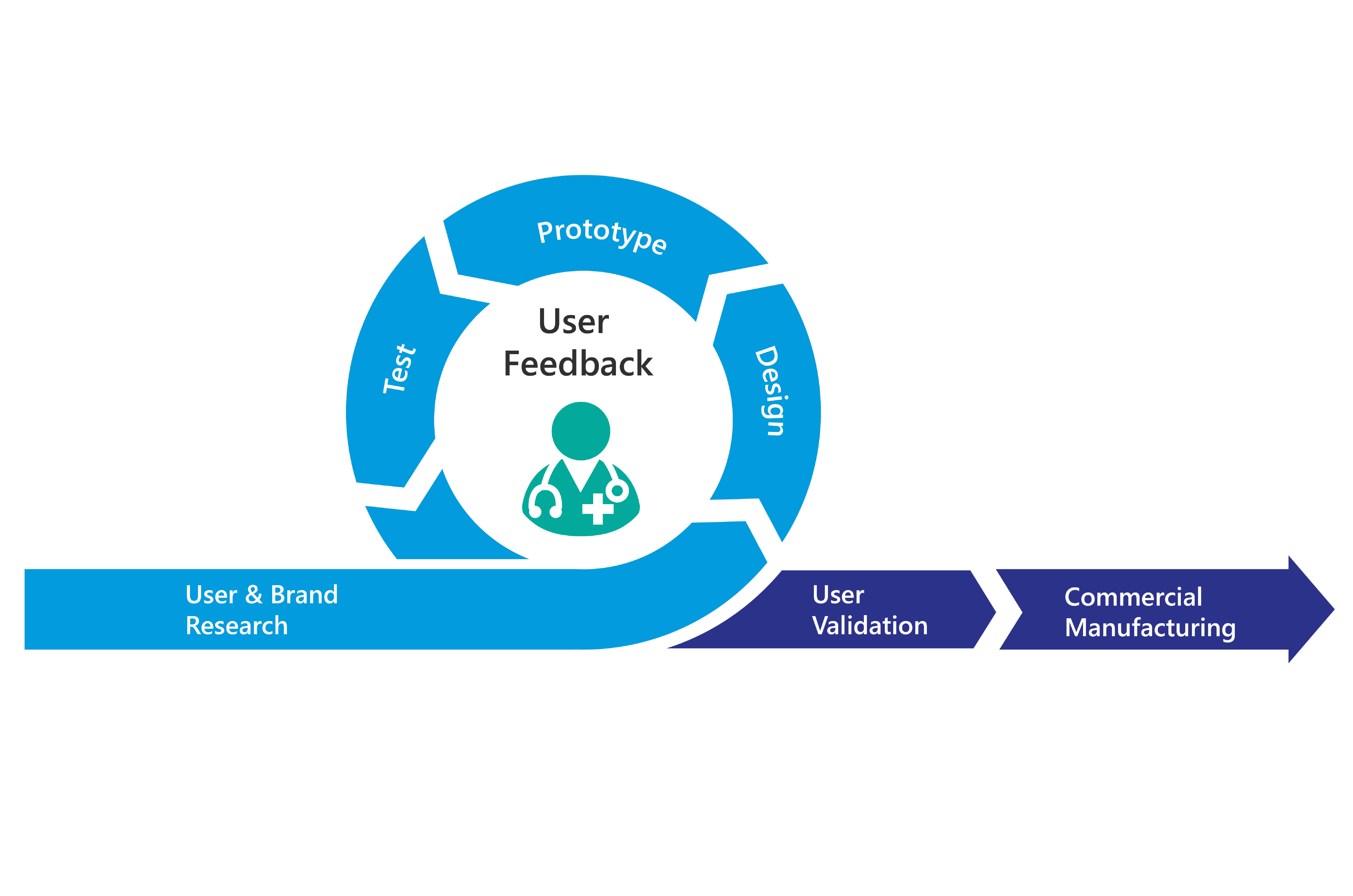
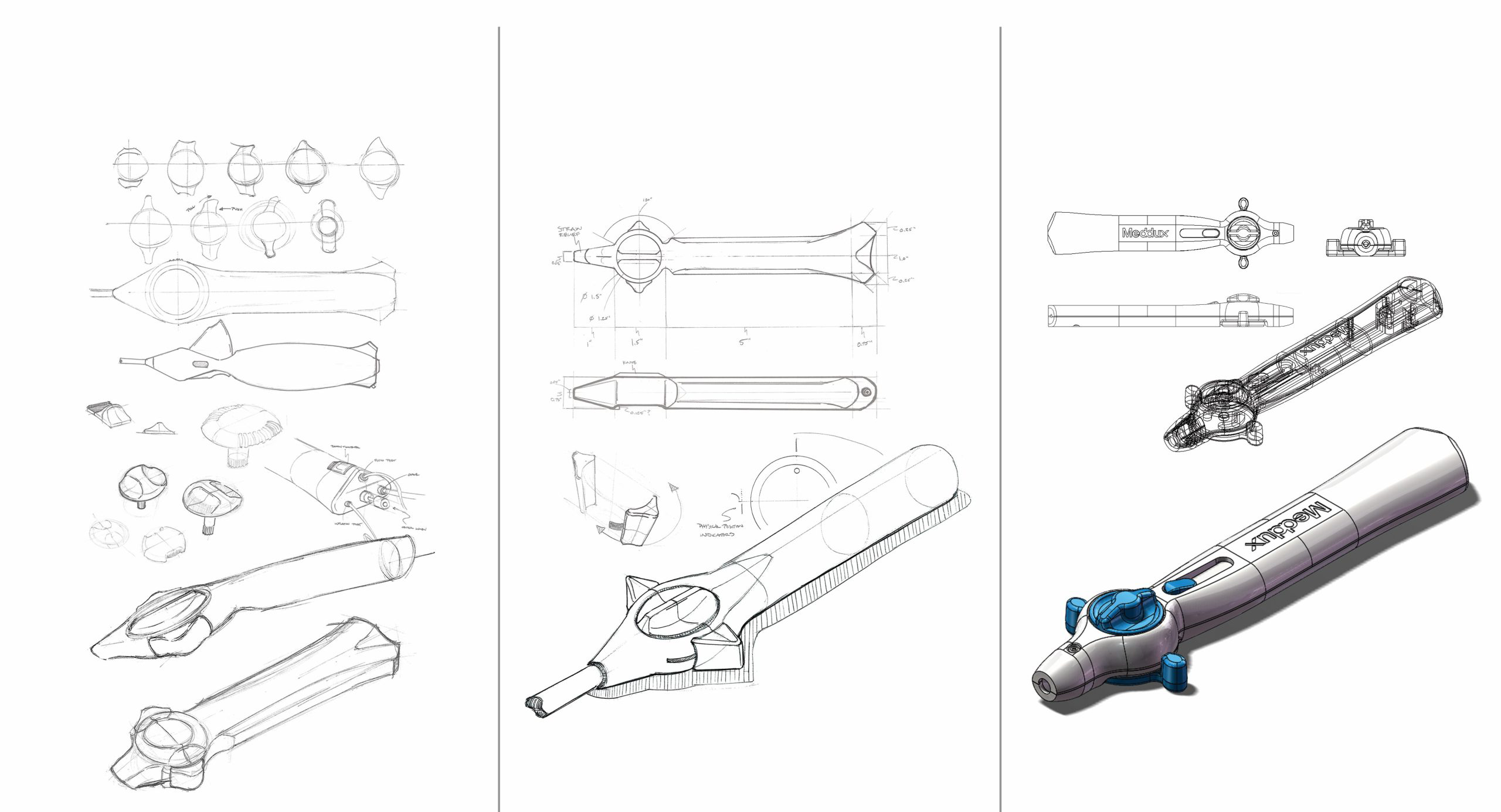
Effective user-centered medical device design begins with understanding how clinicians, patients, and other end users interact with a device in real-world environments. Meddux integrates engineering, clinical context, and usability considerations from the earliest project stages, helping define user requirements that support both device performance and manufacturing feasibility. This collaborative approach allows potential use-related challenges to be identified before they become costly design issues.
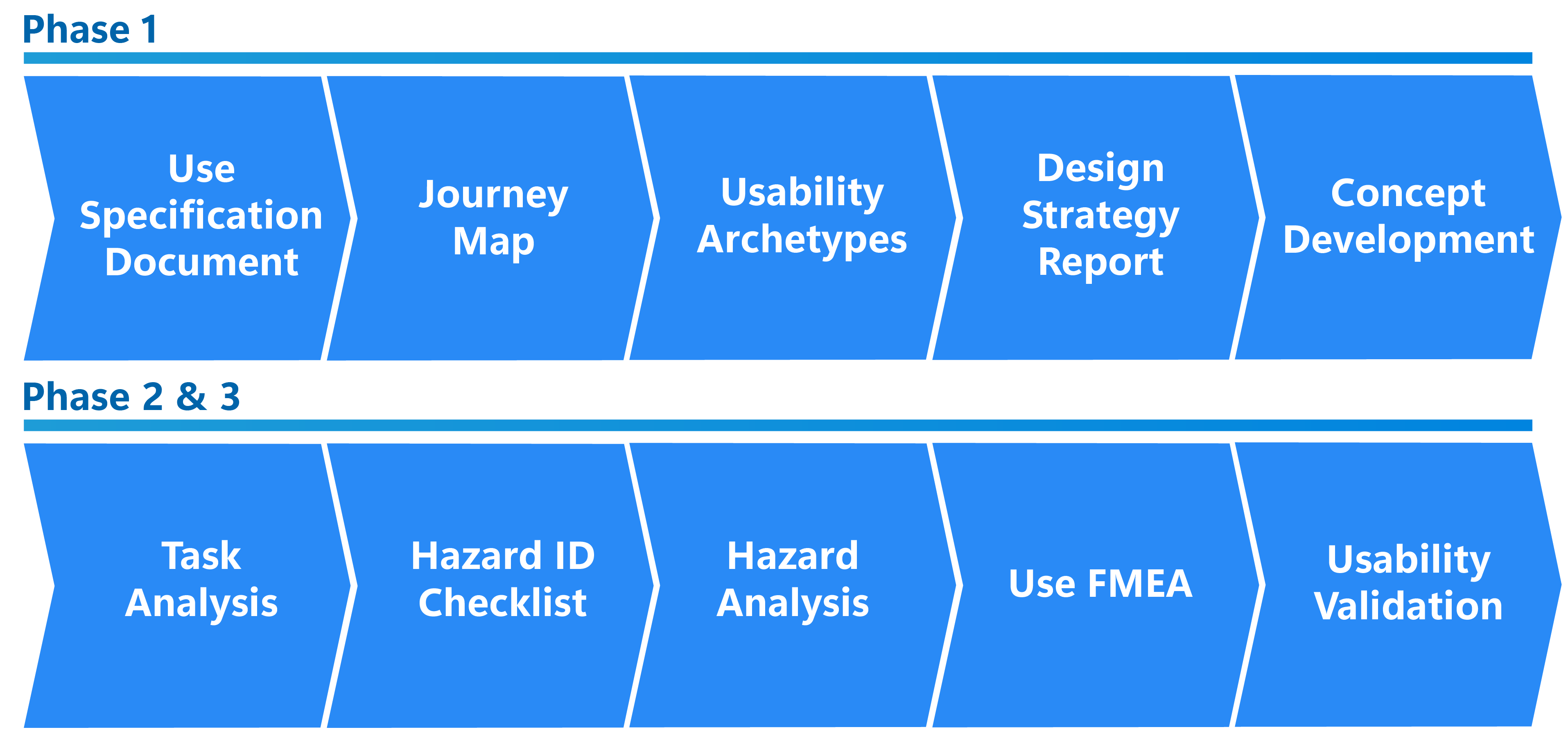
Our approach incorporates human factors / usability engineering (HF/UE) throughout development, following recognized principles of IEC 62366 Usability Engineering. Engineering teams evaluate workflows, environmental conditions, user interactions, and device interfaces to improve safety, usability, and overall product effectiveness while supporting regulatory requirements.
From early concept evaluation through formative and summative usability testing, Meddux develops products to satisfy user needs and fulfill Usability File document deliverables for regulatory submissions.
Integrated usability engineering activities support early identification of use errors, strengthen risk management documentation, and improve confidence as products progress toward validation and manufacturing.
Connect
— features
Key Areas

Clinical workflows, user expectations, and environmental factors are evaluated to establish clear design inputs and measurable usability requirements.

Structured human factors engineering activities apply IEC 62366 usability engineering principles throughout engineering and design evaluation.

Formative and summative usability testing provides structured feedback that supports design refinement, validation planning, and regulatory documentation.

Potential use errors are evaluated alongside broader risk management activities, supporting compliance with ISO 14971 and strengthening overall device safety.
— Why Meddux?
Explore Our Approach
Meddux uses a modular process that lets clients engage at any phase, from initial concept through regulatory approval. As products mature, we build scalable manufacturing processes alongside the device, supporting a smooth transition from design into contract manufacturing, whether you need targeted support or full end-to-end execution.
User-Centered
Design
Human factors and usability engineering ensure devices are designed around real clinical workflows, user needs, and expectations.
Learn More

Product
Development
Engineering activities progress from feasibility through design controls to verification and validation and manufacturing readiness.
Learn More

Custom Process Development
Custom manufacturing processes are developed and validated alongside the device to support a smooth transition into scalable production.
Learn More
Contract
Manufacturing
Integrated cleanroom manufacturing and production planning support efficient transition into commercial manufacturing.
Learn More
— resources
Featured Content

— Connect
Designing a Device That Works for Real Users
Meddux integrates human factors and usability engineering from the earliest design stage, strengthening user-centered design and supporting regulatory submissions. Let’s discuss your device requirements and develop a strategy aligned with your program's objectives.
Connect with our team to discuss how we can support your next medical device program, from user-centered design through commercial manufacturing.
.svg)

Capabilities

Markets
Our Approach
About Us
Resources
© 2026 All rights reserved
made by
.png)