


All Resoures
03 Oct 2025
The Role of Microcatheters in Stroke and Neurovascular Therapy

What Are Microcatheters?
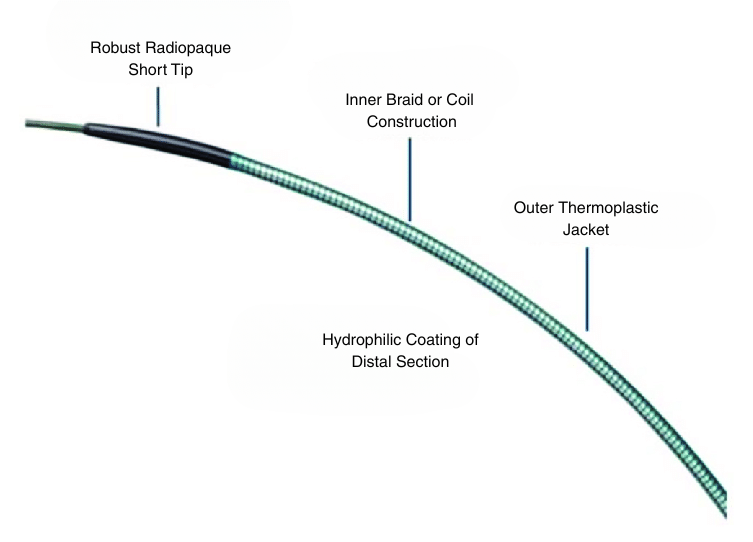
Microcatheters are specialized medical devices, tiny, flexible tubes with inner diameters measured in thousandths of an inch, designed to navigate the body’s smallest blood vessels. In neurovascular procedures, these advanced instruments must traverse the complex pathways from major arteries to the delicate vessels within the brain, under the precise control of physicians providing life-saving interventions. These devices typically range from 1.2 to 6 French in diameter (0.4 to 2 millimeters), with the largest reserved for procedures requiring maximum aspiration capability, such as stroke intervention. Microcatheters are engineered with multiple layers and advanced materials: inner liners for smooth device passage, reinforcement layers for structural integrity and position control, and outer jackets for trackability and lubricity.
Navigating Complex Vascular Anatomy
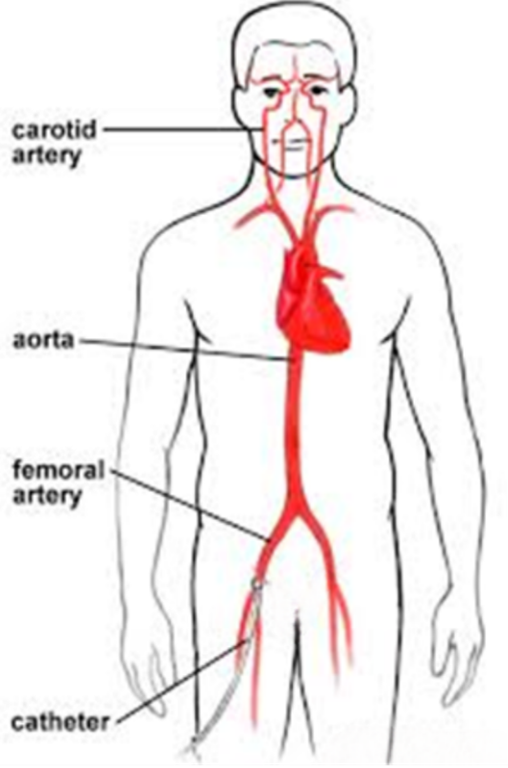
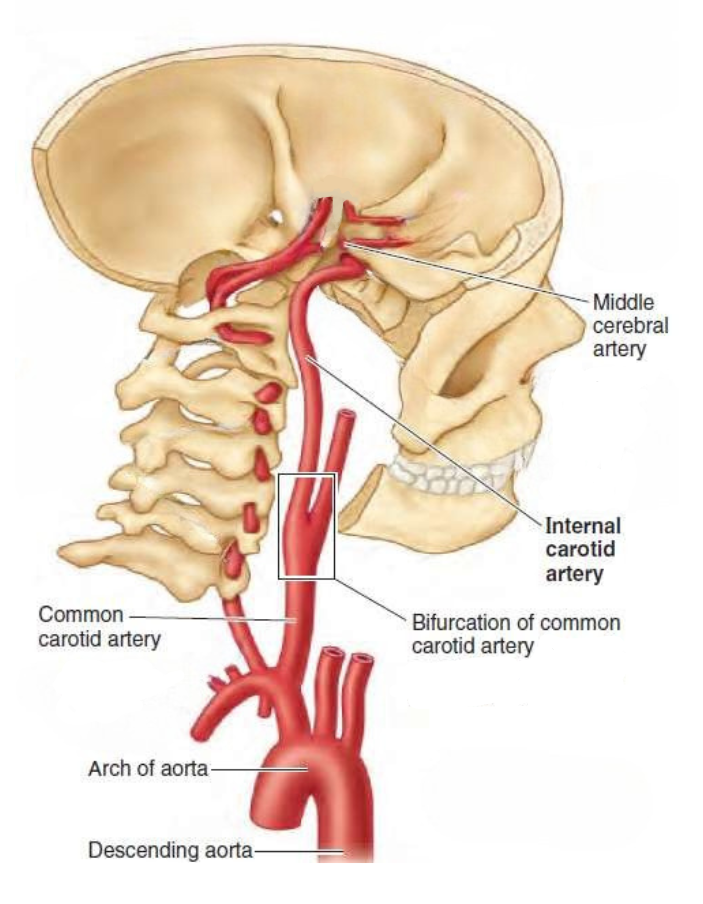
When a stroke occurs due to a blood clot in the brain, immediate intervention is critical to restore blood flow and minimize tissue damage. Modern stroke treatment uses a minimally invasive approach that makes it possible to reach and remove brain clots without opening the skull. The procedure begins with access through the femoral artery in the patient’s upper leg. A protective sheath provides stable access as the microcatheter travels through the body’s arterial system. The device follows a specific pathway: up through the descending aorta, around the aortic arch, and into the left common carotid artery that supplies blood to the brain.
At the base of the skull, the carotid artery makes a sharp 90 to almost 180-degree turn as it passes through an opening in the skull. This anatomical variation differs significantly between patients; some pathways are more tortuous, others more calcified. This creates what engineers identify as a critical performance requirement, where device design becomes essential for successful navigation. Beyond this initial challenge, the pathway presents another obstacle just before reaching the middle cerebral artery (MCA): a sharp bifurcation where vessels divide. This branching point has historically created significant challenges for device advancement during procedures.
The Technical Challenge of Device Tracking
The navigation process involves guidewires with small J-hook tips of various shapes that can be rotated under fluoroscopic guidance to select the appropriate vascular path. These guidewires naturally follow the path of least resistance, positioning themselves along the outer curvature of the vessel and against bifurcation points. The engineering challenge emerges when larger aspiration devices, typically around 0.070 inch / 1.8 millimeters inner diameter or larger, must follow these much smaller 0.014 inch outer diameter guidewires. This significant size differential creates a gap where the catheter tip can catch on vascular bifurcations, restricting advancement to the target site.
Evolution of Microcatheter Design
The medical device industry has developed advanced solutions to address tracking challenges. Earlier approaches utilized multiple expensive catheters; an outer aspiration catheter with a bridge catheter inside to reduce the size gap to the guidewire. While effective, this approach increased procedural costs and complexity. Current innovations center on specialized tracking catheters designed with long distal tapers and constructed from highly flexible, soft materials. These devices effectively bridge the gap between the guidewire and the aspiration catheter, creating a smooth transition that significantly improves device advancement through complex anatomy.
Evolution of Stroke Intervention
Stroke treatment methodologies have also evolved significantly over recent decades. Initial approaches relied on aspiration alone using the catheter to create vacuum pressure for clot removal. However, this technique presented a critical limitation: as clots were aspirated, fragments could break away and migrate to downstream locations, potentially causing additional blockages in smaller vessels.
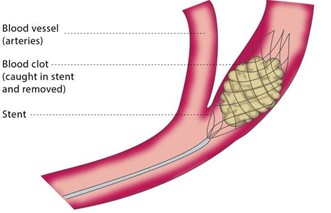
Contemporary stroke intervention combines aspiration with mechanical clot retrieval devices. These stent-like instruments are advanced through the blood vessel, deployed across the clot and then expanded to capture it before withdrawal. This dual approach provides more controlled clot removal while minimizing fragmentation risks.
Innovations in Neurovascular Intervention
Beyond stroke intervention, microcatheter technology is advancing into new therapeutic areas. Stimulation catheters for treating aneurysms and other neurological conditions require even more advanced engineering. These devices must integrate electrical pathways capable of delivering therapeutic stimulation to the nerves located in the outer layer of the arteries while maintaining working channels for other interventional tools.
Creating functional electrical elements within devices having wall thicknesses of only two to three thousandths of an inch, about the width of a single strand of human hair, represents one of the most challenging aspects of current microcatheter development. This technology requires isolated electrical conductors, precise electrode placement, and biocompatible materials, all engineered to interact safely with the nervous system’s electrical activity.
Engineering Precision in Microcatheter Design
The manufacturing precision required for microcatheters represents a significant engineering challenge. As device dimensions decrease, tolerance requirements become increasingly stringent. Components must be manufactured to precision tolerances of 0.0001 inches, with each material layer requiring exact specifications for optimal performance.
This level of precision extends beyond individual components to the assembly process, where multiple materials (liners, reinforcements, jackets, and electrodes) must integrate seamlessly within extremely limited space constraints.
Engineering Innovation in Neurovascular Applications
Microcatheter technology demonstrates how advanced engineering principles address complex medical challenges. These devices must navigate anatomical variations while maintaining structural integrity, deliver therapeutic interventions with precision, and do so within size constraints that demand exceptional manufacturing capabilities.
The evolution from simple aspiration to clot retrievers and energy therapeutics reflects the ongoing innovation in this field. As these technologies continue to advance, they expand treatment possibilities for neurological conditions, representing a critical intersection of engineering precision and lifesaving clinical need.
Related Resources
.webp)
.webp)

— Connect
Your Medical Guide From Concept to Commercialization
Whether you need targeted engineering support, manufacturing process development, or a full development and manufacturing partnership, Meddux provides a modular approach tailored to your program requirements.
Connect with our team to discuss how we can support your next medical device program, from user-centered design through commercial manufacturing.
.svg)

Capabilities

Markets
Our Approach
About Us
Resources
© 2026 All rights reserved
made by
.png)