


All Resoures
22 Apr 2026
Expanding Your Addressable Market
Across industries, the best technology solutions and products have one thing in common: usability and use-related risks were prioritized and addressed early in the design phase. Teams that wait until late-stage validation often find themselves reacting to problems rather than designing them out from the beginning.
The FDA formally reinforced this reality with its guidance Applying Human Factors and Usability Engineering to Medical Devices, issued in 2016. For many Class II and Class III devices, particularly those where use error could result in patient harm, human factors and usability engineering (HF/UE) validation are now expected as part of premarket submissions. The primary goal of this guidance is clear: reduce user error and improve patient safety [meddeviceguide.com].
However, regulatory compliance represents only part of the story.
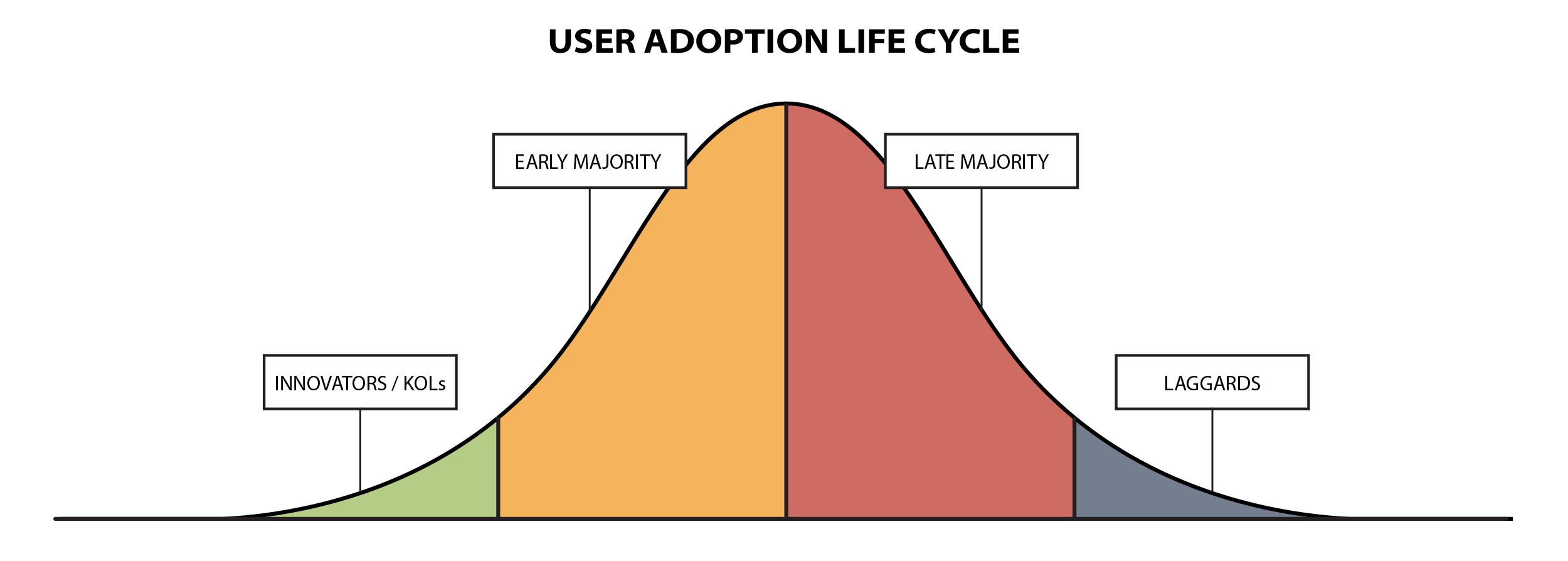
Figure 1: Limited User Adoption Without UCD
Usability as a Growth Lever, Not Just a Safety Requirement
Geoffrey Moore’s Crossing the Chasm introduces the Technology Adoption Life Cycle, segmenting customers into Innovators, Early Adopters, Early Majority, Late Majority, and Laggard. For simplicity, we can consolidate this framework into four groups:
- Innovators / Physician Key Opinion Leaders (KOLs)
- Early Majority
- Late Majority
- Laggards
When plotted across a statistical distribution, these groups form roughly four quartiles, each representing a distinct segment of the potential user base.
The Common Trap: Designing for the First Quartile
Many companies developing “new-to-the-world” medical technologies focus almost exclusively on the first quartile: surgeons and physicians who are pushing the boundaries of what’s possible. These users are highly skilled, deeply experienced, and often instrumental in early clinical success. They refine techniques through high case volumes and are comfortable adapting to complexity.
The fundamental challenge? They are not your primary commercial market.
Commercial success depends on adoption by the Early and Late Majority. These are clinicians who may not possess the same level of specialization, procedural volume, or appetite for complexity. For these users, barriers such as steep learning curves, complex setup procedures, fragile workflows, and high training burden can significantly slow or prevent adoption altogether. What works seamlessly in the hands of an expert may prove prohibitively difficult for the average practitioner.
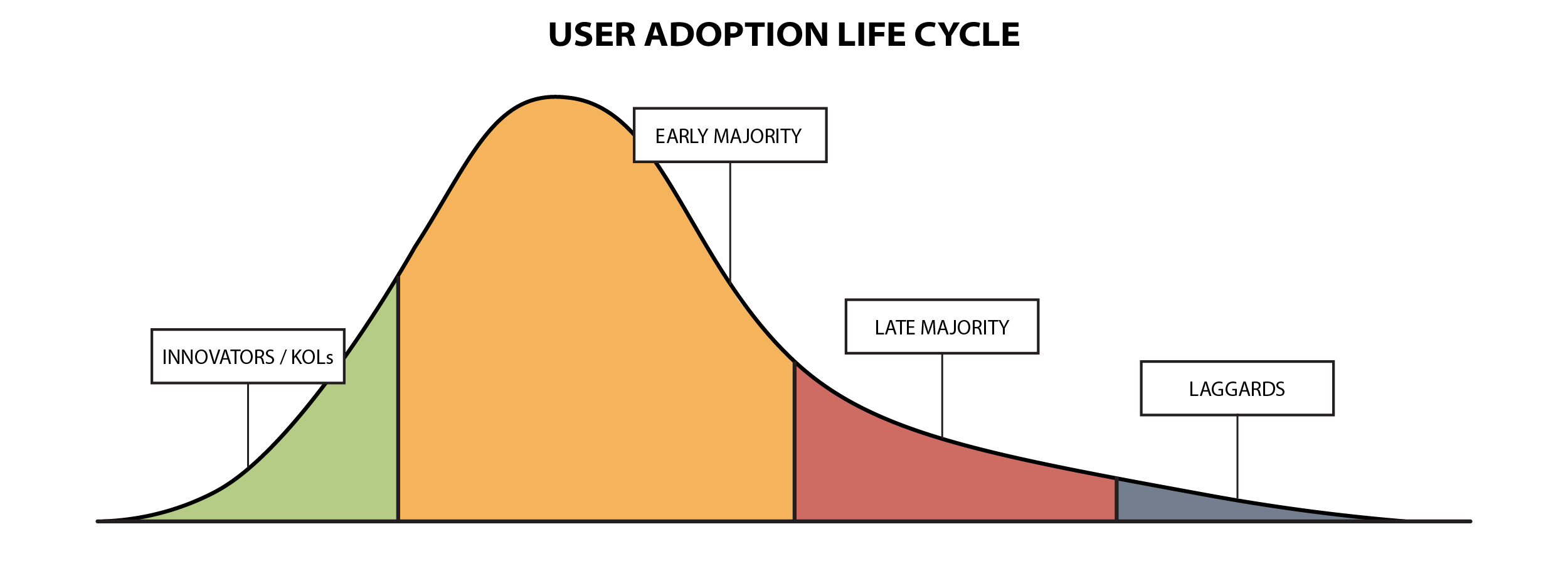
Figure 2: Expanded User Adoption With UCD
Expanding the Curve Through User-Centered Design
This is where user‑centered design becomes a strategic differentiator.
By deeply understanding the needs, limitations, and workflows of the Early and Late Majority, UCD can:
- Reduce reliance on extraordinary skill or experience
- Simplify procedural steps and set up requirements
- Increase consistency and repeatability across diverse user populations
- Shorten training time and flatten learning curves
- Improve user confidence and reduce cognitive load during procedures
The question product teams should ask early in development is not “Can expert users achieve great outcomes?” but rather, “Can average users reliably and safely achieve good outcomes?”
When design efforts focus on making challenging procedures more intuitive and routine, the technology shifts from being aspirational to being accessible. In effect, UCD helps move the performance curve to the left, enabling a broader population of clinicians to succeed. This expansion of capable users directly translates into market expansion.
The Business Impact
When usability lowers the barriers to adoption, the result is a larger addressable market, faster diffusion beyond KOLs, reduced training costs, and a stronger overall product launch. What begins as a regulatory obligation transforms into a growth strategy that can differentiate your product in a competitive landscape. The investment in user-centered design during development pays dividends throughout the product lifecycle, from initial launch through market maturation.
Final Thought
User‑centered design should not be viewed as a box to check for FDA submissions or as an afterthought in the development process. When applied early and intentionally, it is one of the most powerful tools available to transform breakthrough technology into a commercially successful product that serves both patients and practitioners effectively.
Related Resources
.webp)
.webp)

— Connect
Your Medical Guide From Concept to Commercialization
Whether you need targeted engineering support, manufacturing process development, or a full development and manufacturing partnership, Meddux provides a modular approach tailored to your program requirements.
Connect with our team to discuss how we can support your next medical device program, from user-centered design through commercial manufacturing.
.svg)

Capabilities

Markets
Our Approach
About Us
Resources
© 2026 All rights reserved
made by
.png)